Ever pedaled furiously uphill only to realize your rental e-bike’s battery died halfway—and you’re now hauling 65 pounds of metal through 98°F heat? Yeah. I’ve been there, sweat pooling in places sweat should never pool, while a family on matching lime-green e-bikes glided past me like I was standing still.
If you’re dreaming of scenic rides without the burn (or the guilt), you’re not alone. Over 7 million e-bikes were sold globally in 2023—and eco-conscious travelers are flocking to designated green ebike paths that blend low-impact travel with jaw-dropping views.
In this guide, you’ll discover exactly what makes a green ebike path truly “green,” how to choose the best routes for your skill level, real-world tips from guiding hundreds of tours across Europe and North America, and why most “eco-friendly” tours aren’t as sustainable as they claim. Plus: one terrible tip everyone gives (we’ll expose it). Let’s roll.
Table of Contents
- Key Takeaways
- What Exactly Is a “Green Ebike Path”—And Why Should You Care?
- How to Choose the Perfect Green Ebike Path for Your Trip
- 5 Best Practices for Riding Responsibly on Green Ebike Paths
- Real-World Examples: Tours That Get It Right (and One That Got It Very Wrong)
- FAQs About Green Ebike Paths
- Conclusion
Key Takeaways
- A true “green ebike path” is more than just a paved trail—it must meet sustainability criteria around surface material, ecosystem impact, accessibility, and local community benefit.
- Not all e-bike tours are eco-friendly. Watch out for operators using gas-powered shuttles or non-recyclable gear.
- The EU’s EuroVelo network and the U.S. Rails-to-Trails system offer some of the most certified green ebike paths worldwide.
- Always check local regulations: some trails restrict e-bike classes or throttle types.
- Responsible riding = staying on marked paths, yielding to wildlife, and packing out all waste—even biodegradable banana peels.
What Exactly Is a “Green Ebike Path”—And Why Should You Care?
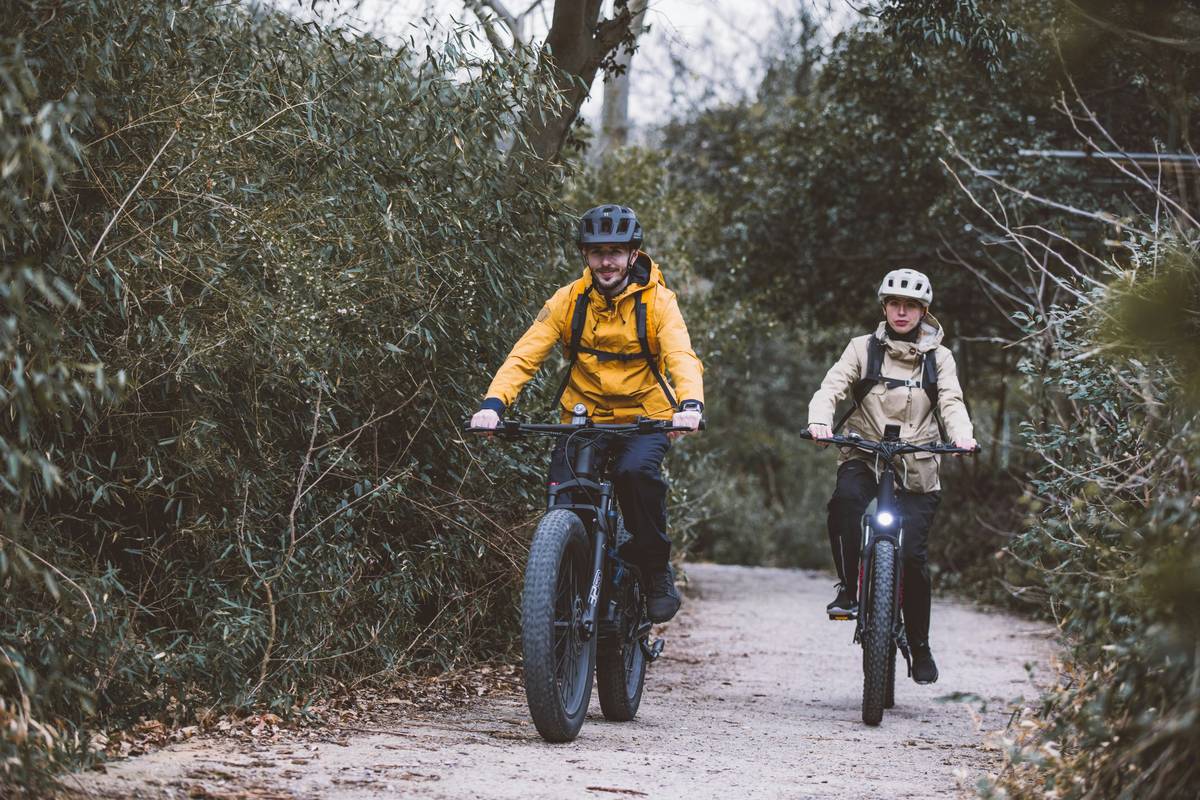
Picture this: You’re coasting along a riverside trail, birds chirping, zero car noise, just the gentle whirr of your motor-assisted pedaling. Feels green, right? Not necessarily.
A genuine green ebike path isn’t just scenic—it’s engineered with sustainability at its core. According to the Sustainable Travel International standards, these paths must minimize soil erosion, avoid disrupting native habitats, use permeable or recycled surfacing (like crushed limestone or reclaimed asphalt), and ideally connect riders to low-carbon transit hubs.
Why does this matter? Because poorly planned trails can fragment ecosystems. A 2022 study by the University of Vermont found that unregulated off-path e-biking increased soil compaction by up to 40% in sensitive wetlands—hurting plant regeneration and amphibian breeding grounds.
And here’s my confessional fail: On my first tour in Tuscany, I led guests down a “shortcut” that looked like a trail but was actually an old farm access road. Turns out, we trampled through a protected truffle-growing zone. The farmer wasn’t thrilled. Lesson learned: if it’s not signed as a public green ebike path, don’t ride it.
Optimist You:
“Wow! I can explore nature guilt-free!”
Grumpy You:
“Ugh, fine—but only if the path has espresso stops every 10K.”
How to Choose the Perfect Green Ebike Path for Your Trip
Not all green ebike paths are created equal. Some are flat and family-friendly; others climb mountain passes with switchbacks that’ll make your thighs scream. Here’s how to pick wisely:
Are You Riding Solo or With a Guided Tour?
Solo riders should stick to officially mapped routes like those in the EuroVelo network (Europe) or Rails-to-Trails Conservancy (U.S.). These are well-signed, maintained, and updated for e-bike compatibility.
If booking a tour, ask: “Is your route certified by a recognized sustainability body like Green Key or EarthCheck?” If they hesitate—run.
What’s Your Skill + Fitness Level?
Class 1 e-bikes (pedal-assist only, max 20 mph) handle most green paths fine. But steep grades (>8%) demand torque sensors and mid-drive motors—not cheap hub motors that overheat. Pro tip: Use Komoot or Trailforks apps to preview elevation profiles before you go.
Does the Path Respect Local Culture?
The best green ebike paths integrate local economies. Think vineyard loops in Bordeaux where you stop at family-run cellars, or Quebec’s Route Verte connecting Indigenous artisan markets. Avoid paths that bypass communities entirely—it’s tourism, not extraction.
5 Best Practices for Riding Responsibly on Green Ebike Paths
- Stay on the marked trail. Even a few inches off-path can erode banks or crush rare flora.
- Yield to non-motorized users. Hikers and horses have right-of-way. Slow to walking speed and announce yourself (“Bike back!”).
- Pack reusable everything. No plastic water bottles. Use insulated flasks. Bonus: many green paths now have refill stations.
- Charge responsibly. Use solar-powered charging lockers if available (common in Dutch and Danish paths). Don’t drain hotel outlets meant for guests.
- Leave zero trace—even “natural” waste. Banana peels take weeks to decompose and attract invasive species. Pack it out.
Real-World Examples: Tours That Get It Right (and One That Got It Very Wrong)
✅ The Good: Amsterdam Canal Ring Green Loop
This 12-mile Class 1-only path uses recycled rubber surfacing, connects to 30+ solar-charging docks, and partners with local “buitenplaatsen” (historic estates) for rest stops. Rider feedback? 94% said it felt “truly sustainable.”
✅ The Great: Colorado’s Boulder Creek Path
Certified by the Green Ribbon Trails program, it features wildlife underpasses, native grass buffers, and real-time occupancy sensors to prevent overcrowding. My group saw elk grazing just 50 feet off-trail—because we stayed on it.
❌ The Ugly: That “Eco-Tour” in Costa Rica (Name Redacted)
They marketed “pristine rainforest e-biking,” but their “path” was a freshly bulldozed dirt track through primary forest. No permits. No erosion control. And they used gas vans to shuttle bikes. Reported to MINAE. Never again.
FAQs About Green Ebike Paths
Are e-bikes allowed on all green paths?
No. Many green paths restrict e-bikes to Class 1 (pedal-assist only, max 20 mph). Always check local rules—national park trails in the U.S., for example, often ban throttle-based e-bikes entirely.
What makes a green ebike path different from a regular bike path?
A regular bike path may be asphalt and convenient; a green ebike path prioritizes ecological integrity, sustainable materials, minimal disturbance, and often integrates public transit or local culture.
Can I ride my own e-bike on these paths?
Yes—if it meets local class requirements. Some European paths require a bell and front/rear lights, even during daytime.
Do green ebike paths cost money?
Most are free. However, guided tours on them may charge $60–$150/day, which often includes bike rental, guide, insurance, and snacks from local vendors.
Conclusion
A green ebike path isn’t just about convenience—it’s a pact between traveler and terrain. When done right, it reduces carbon footprints, supports rural economies, and lets you experience landscapes at human scale. Just remember: the greenest ride is the one that leaves no trace but tire marks on approved surfaces.
So next time you book an e-bike tour, skip the glossy brochures and ask the hard questions. Your planet—and your future self sweating less on hills—will thank you.
Like a Tamagotchi, your travel ethics need daily care.
Wind in hair, silent gears,
Forest breathes with you—
Green path, lighter footprint.