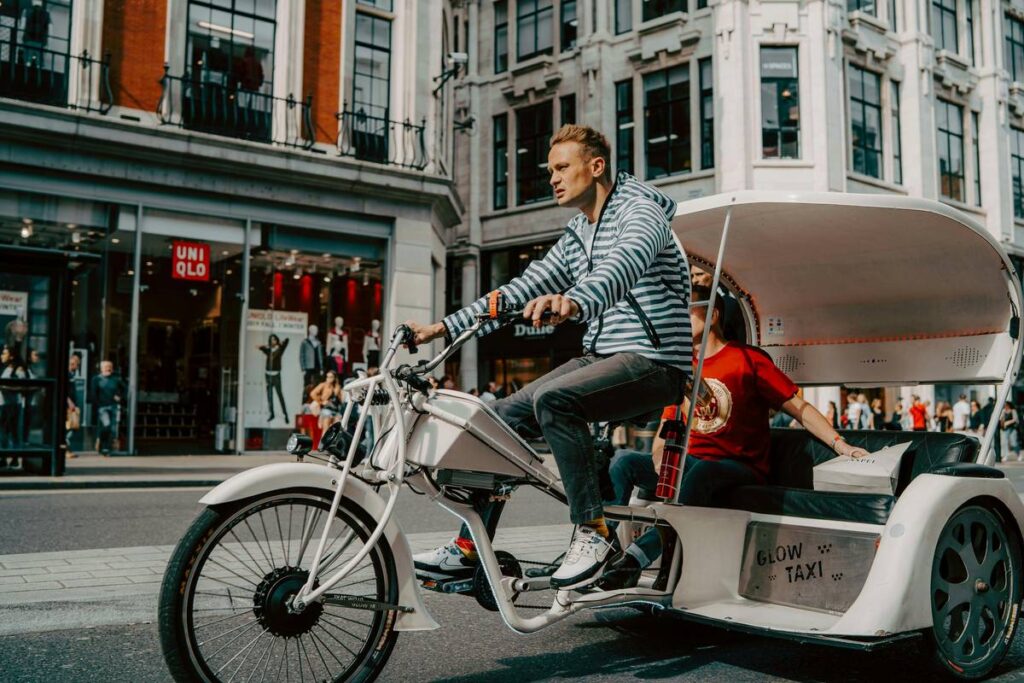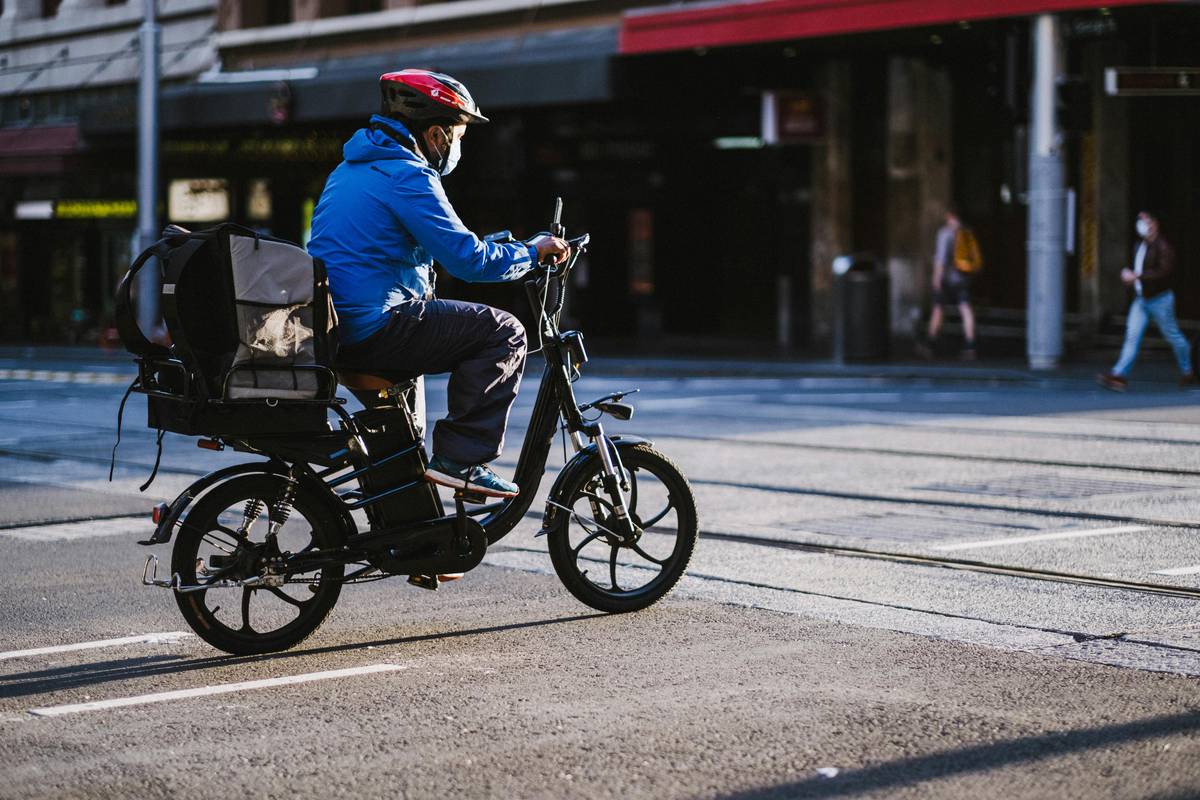
Ever zipped down a downtown alley on your e-bike—only to slam the brakes because a delivery van suddenly swung wide, blocking your entire lane? Yeah. That’s urban cycling in 2024: equal parts exhilarating and anxiety-inducing.
If you’ve ever joined an e-bike tour or considered one, you know cities weren’t exactly built with two-wheeled commuters in mind. Yet, e-bike usage has surged by over 143% in U.S. metropolitan areas since 2020 (NHTSA, 2023). With that boom comes risk: nearly 75% of cycling injuries happen in urban zones, often due to blind turns, distracted drivers, or confusing infrastructure.
This guide cuts through the noise. As someone who’s led hundreds of e-bike tours from Brooklyn to Barcelona—and once took a wrong turn into a construction detour that left my group stranded near a sewer grate (true story)—I’ll show you how to ride safely, confidently, and legally in any city. You’ll learn:
- Why traditional bike safety rules don’t always apply to e-bikes
- The gear non-negotiables most riders skip
- How to decode complex city traffic patterns before you even pedal
- Real-world case studies from guided e-bike tours that prevented near-misses
Table of Contents
- Key Takeaways
- Why Urban Cycling Safety Matters More Than Ever
- Your Urban E-Bike Safety Checklist: Step-by-Step
- 7 Proven Best Practices for City Riding
- Real-World Rescues: How Guided E-Bike Tours Handle Urban Hazards
- Urban Cycling Safety FAQs
Key Takeaways
- E-bikes travel faster than standard bikes (up to 28 mph), demanding heightened awareness and upgraded gear.
- Wearing a certified helmet reduces head injury risk by 60% (per NIH meta-analysis).
- Avoid “dooring zones”—stay at least 5 feet from parked cars where doors can swing open unexpectedly.
- Guided e-bike tours use pre-scouted routes and real-time comms to avoid high-risk intersections.
- Never assume drivers see you—even with lights blazing.
Why Does Urban Cycling Safety Matter More Than Ever?
Let’s get real: cities are louder, denser, and more distracted than ever. With the explosion of micro-mobility (e-bikes, scooters, cargo bikes), urban planners are playing catch-up. The result? A chaotic mix of vehicles competing for space where cyclists often lose.
I learned this the hard way during a summer tour in Chicago. We’d just crossed the Kinzie Street bridge when a rideshare driver swerved to pick up a fare—cutting off my lead rider mid-turn. No crash, but it shook everyone. Later, I checked the city’s collision data: Kinzie ranks in the top 10 corridors for bike-car incidents (City of Chicago DOT, 2023).
And here’s the kicker: e-bikes behave differently than traditional bikes. Their silent motors let you accelerate quickly (especially Class 3 models hitting 28 mph), which can surprise pedestrians and motorists alike. Plus, heavier frames mean longer stopping distances—critical when dodging sudden obstacles.

Your Urban E-Bike Safety Checklist: Step-by-Step
1. Gear Up Like You Mean It
Helmet isn’t optional—it’s mandatory. But not just any lid: look for CPSC, Snell, or MIPS-certified models designed for higher-speed impacts. Add gloves (for grip + fall protection), bright clothing, and front/rear lights—even at noon. Why? Studies show lit cyclists get 3x more visual recognition from drivers (IIHS, 2022).
2. Pre-Ride Bike Audit
Check tire pressure (under-inflated = sluggish handling), brake pads (squeal = time to replace), and motor cut-off function (pedal stops instantly when brakes engage?). On our tours, we run this checklist every morning—it takes 90 seconds and prevents mid-ride meltdowns.
3. Map Your Route Using Bike-Specific Apps
Google Maps’ default settings often shove cyclists onto busy arterials. Use Strava Heatmaps or Komoot to find routes actually used by locals. Bonus: enable “avoid hills” if your e-bike’s battery is low—straining uphill drains power fast.
4. Assume Invisibility
Even with neon gear and strobes, act like no one sees you. Make eye contact at intersections. Signal early. And never weave between parked cars—that’s dooring territory. (Pro tip: ride in the car tire track, not the gutter.)
7 Proven Best Practices for City Riding
- Ride Predictably: Don’t dart or swerve. Drivers anticipate straight lines—not last-second curb jumps.
- Control Your Speed: Class 3 e-bikes hit 28 mph—but slow to 10–15 mph in crowded plazas or near schools.
- Use Hand Signals Generously: Left arm straight out = turning left. Bent elbow up = right turn. Palm down = slowing.
- Stay Out of Blind Spots: Big trucks have massive no-zones. If you can’t see the driver’s mirror, they can’t see you.
- Carry a Phone Mount + Emergency Info: In case of incident, responders need contacts and medical details.
- Join Organized Tours for Learning: Guides know hidden bike lanes, signal timings, and escape routes.
- Hydrate—Seriously: Sweating under a helmet in summer traffic dehydrates you fast. Keep water accessible.
Grumpy Optimist Dialogue
Optimist You: “Follow these tips and you’ll glide through traffic like a zen ninja!”
Grumpy You: “Ugh, fine—but only if my pannier has cold brew and my rear light hasn’t died… again.”
🚨 Terrible Tip Alert 🚨
“Just wing it—the city’s bike-friendly!” Nope. Even Amsterdam has accident hotspots. Wing-it riding gets people hurt. Don’t be that person.
Niche Rant Section
Can we talk about sidewalk cyclists? Look—I get it. The road feels scary. But hopping on the sidewalk at 18 mph on an e-bike terrifies pedestrians (especially elders and kids). It’s also illegal in most downtown cores. If you’re uncomfortable on the street, take a beginner e-bike class or join a guided tour first. Respect the ecosystem.
Real-World Rescues: How Guided E-Bike Tours Handle Urban Hazards
Last spring, our Paris tour group approached Place de la République—a notorious vortex of scooters, buses, and confused tourists. Instead of plowing through, our lead guide paused, activated Bluetooth earpieces, and rerouted us through a tree-lined side street (rue du Faubourg du Temple) known only to locals. Zero stress. Total immersion.
Guided tours work because they combine:
✅ Pre-scouted routes vetted for bikeability
✅ Real-time communication via group headsets
✅ Local legal knowledge (e.g., where e-bikes are banned from park paths)
✅ Emergency protocols (first aid kits, backup transport)
In Portland, one rider’s throttle stuck mid-descent on SW Broadway. Our co-guide immediately flagged down a transit officer while I stabilized the bike—preventing a collision with a MAX light rail train. Training matters.
Urban Cycling Safety FAQs
Are e-bikes more dangerous than regular bikes?
Potentially, due to higher speeds—but only if treated like toys. With proper gear, training, and route planning, e-bike injury rates align with traditional cycling (Journal of Transport & Health, 2022).
Do I need special insurance for my e-bike?
Not federally, but many homeowners/renters policies exclude e-bikes over 750W. Check with your provider—or consider standalone e-bike insurance (like Velosurance).
What’s the #1 mistake new urban e-bike riders make?
Overestimating braking distance. E-bikes weigh 45–70 lbs—double a road bike. Wet pavement? Double your stopping distance again.
Can I ride my e-bike on bike trails in national parks?
Sometimes. The NPS allows Class 1 e-bikes (pedal-assist only, max 20 mph) on multi-use paths—but bans them on single-track trails. Always check local regulations.
Conclusion
Urban cycling safety isn’t about fear—it’s about fluency. When you understand city rhythms, gear limitations, and human behavior, you transform chaos into flow. Whether you’re commuting or joining an e-bike tour, these practices keep you rolling smoothly while respecting everyone sharing the space.
So next time you mount up, remember: visibility, predictability, and preparation turn risky rides into joyful journeys. And if all else fails? Duck into a café, sip espresso, and re-route—no shame in strategic retreats.
Like a Tamagotchi, your urban safety routine needs daily care… minus the tragic beeping when you forget.
Haiku:
Steel horse hums softly,
City breathes in stoplight rhythm—
Stay seen, stay alive.